The Value of Service and Personal Sacrifice
Albert Einstein once said, “Only a life lived for others is a life worthwhile.”
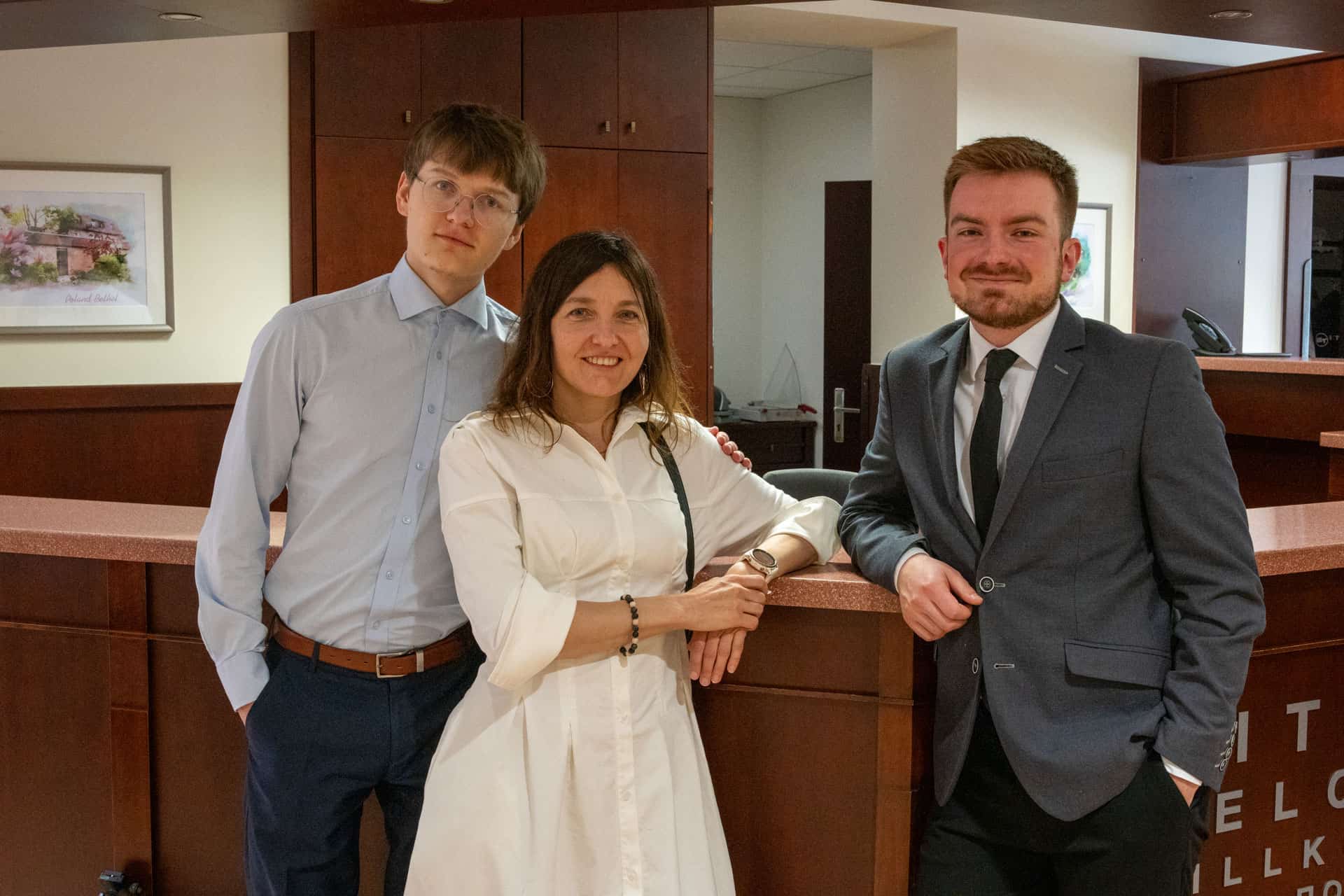
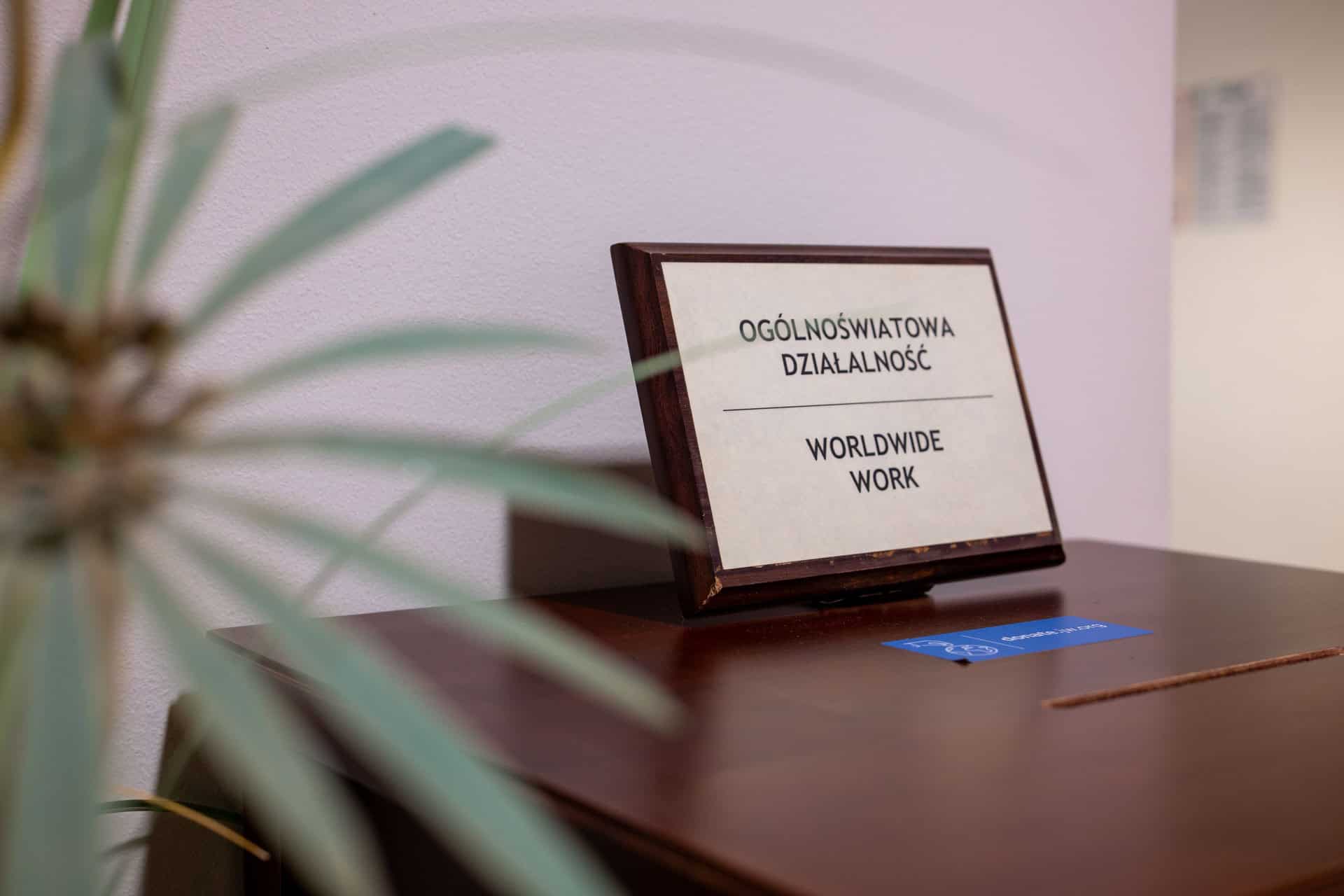
This thought came back to me during a recent visit to Bethel — the branch office where Jehovah’s Witnesses coordinate their preaching work. Although Bethel is a place where a lot of work gets done, from the very first moment, it’s clear that it’s not just about tasks and schedules. It’s about something deeper.
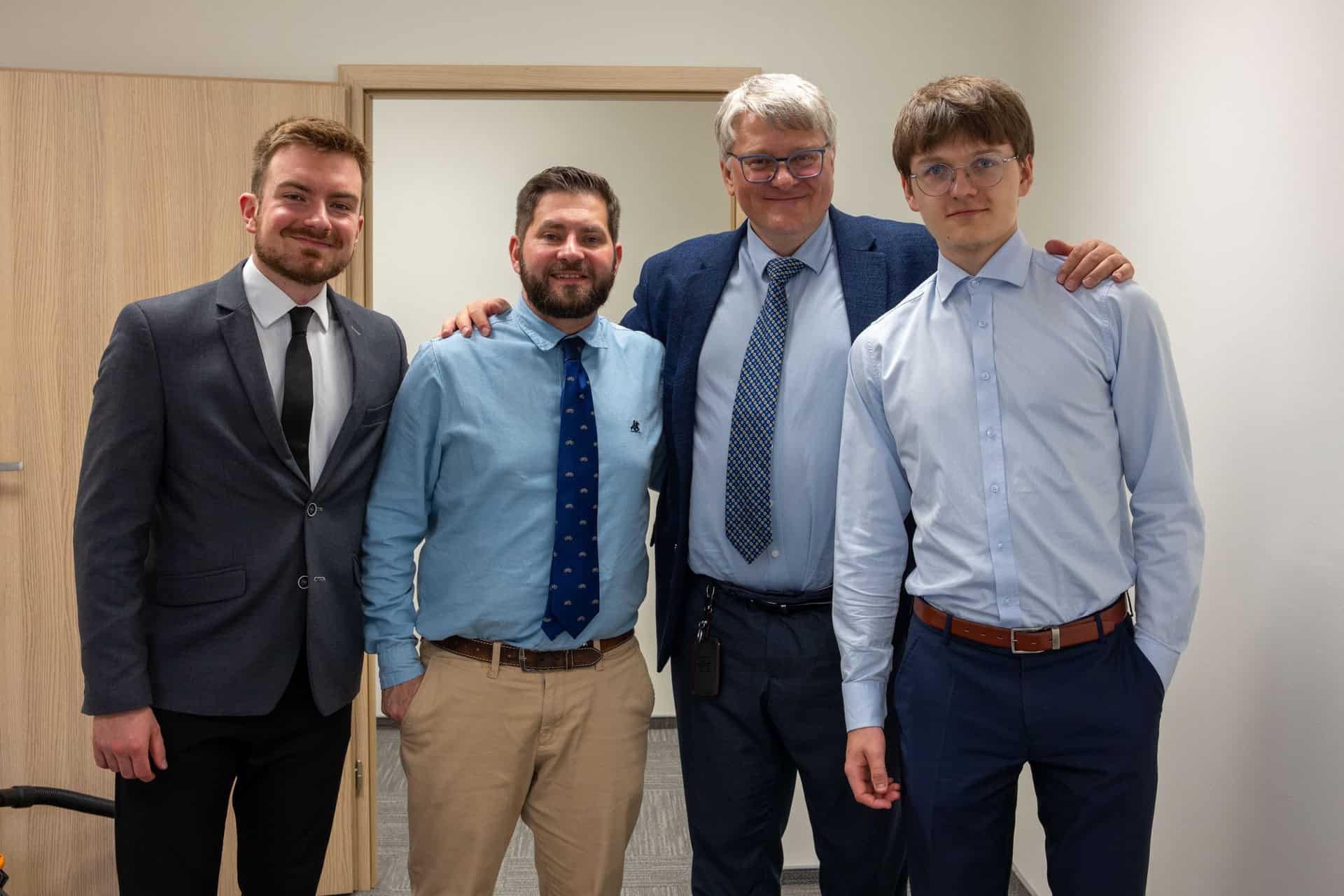
We arrived just in time for dinner with the Bethel family. It was heartwarming to see young boys, some as young as 18, sharing a table with seniors who have spent decades serving there. Everyone was smiling, chatting, and helping one another. The atmosphere was calm, kind, and full of quiet joy. I even recognized a few familiar faces — Bethel used to be a place I visited often when I was studying the Bible, more than twenty-five years ago. Some of my fondest memories are tied to those early visits.
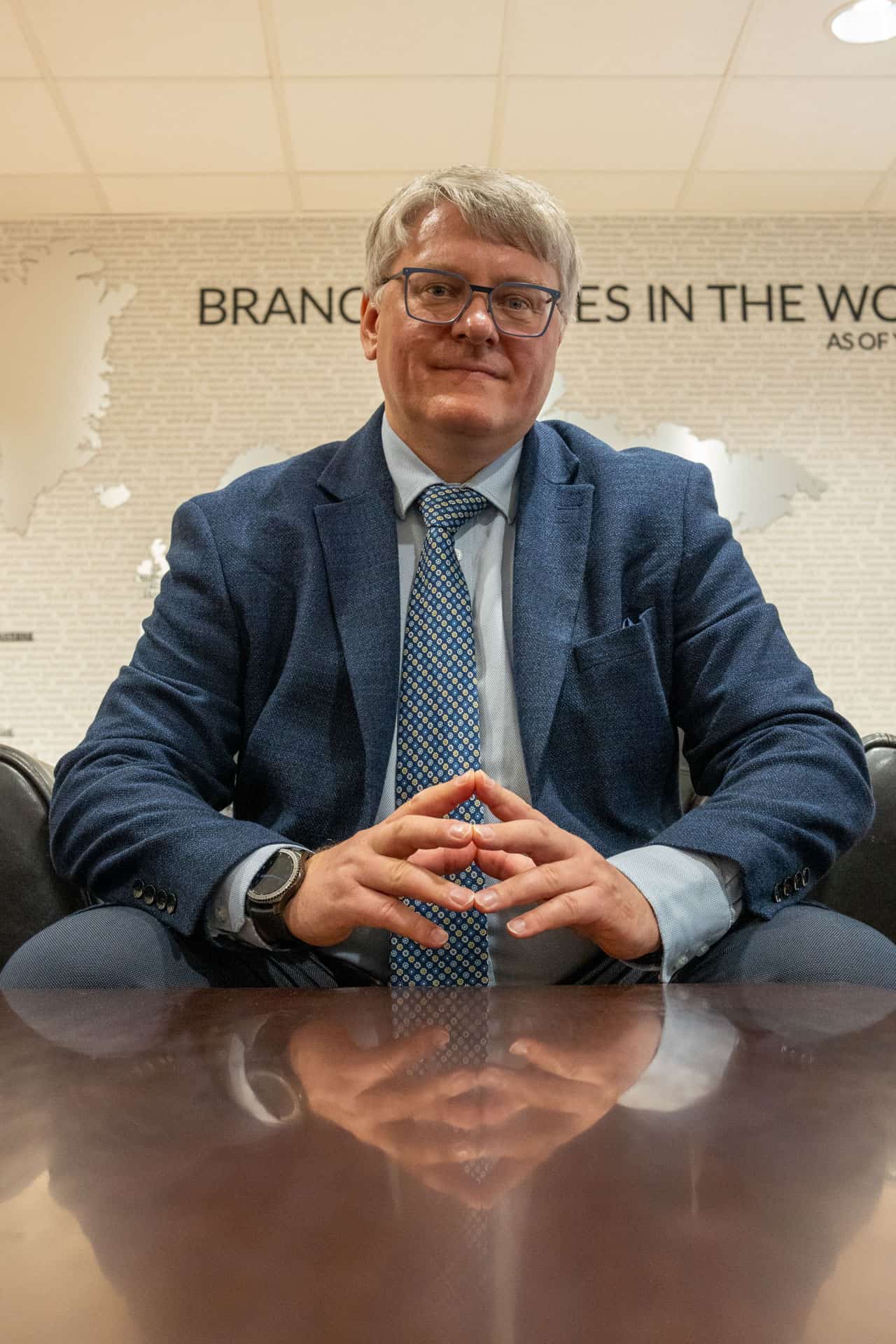
After dinner, our host had to attend to an urgent errand, so he asked if someone could look after us. Without hesitation, a brother agreed. He was soft-spoken and humble. As we talked, we learned he worked in the Ukrainian translation team. On his desk, he had a book that immediately caught my attention — Lessons in Leadership from God’s Word by John Maxwell. That led to a wonderful conversation about leadership and the idea of the “language of the heart.” I probably bombarded him with too many personal questions, but he answered them all kindly and patiently. Only later did we learn that he was not just a translator — he was a member of the Branch Committee, coordinating the preaching work for all of Poland. His humility made an even deeper impression on me.
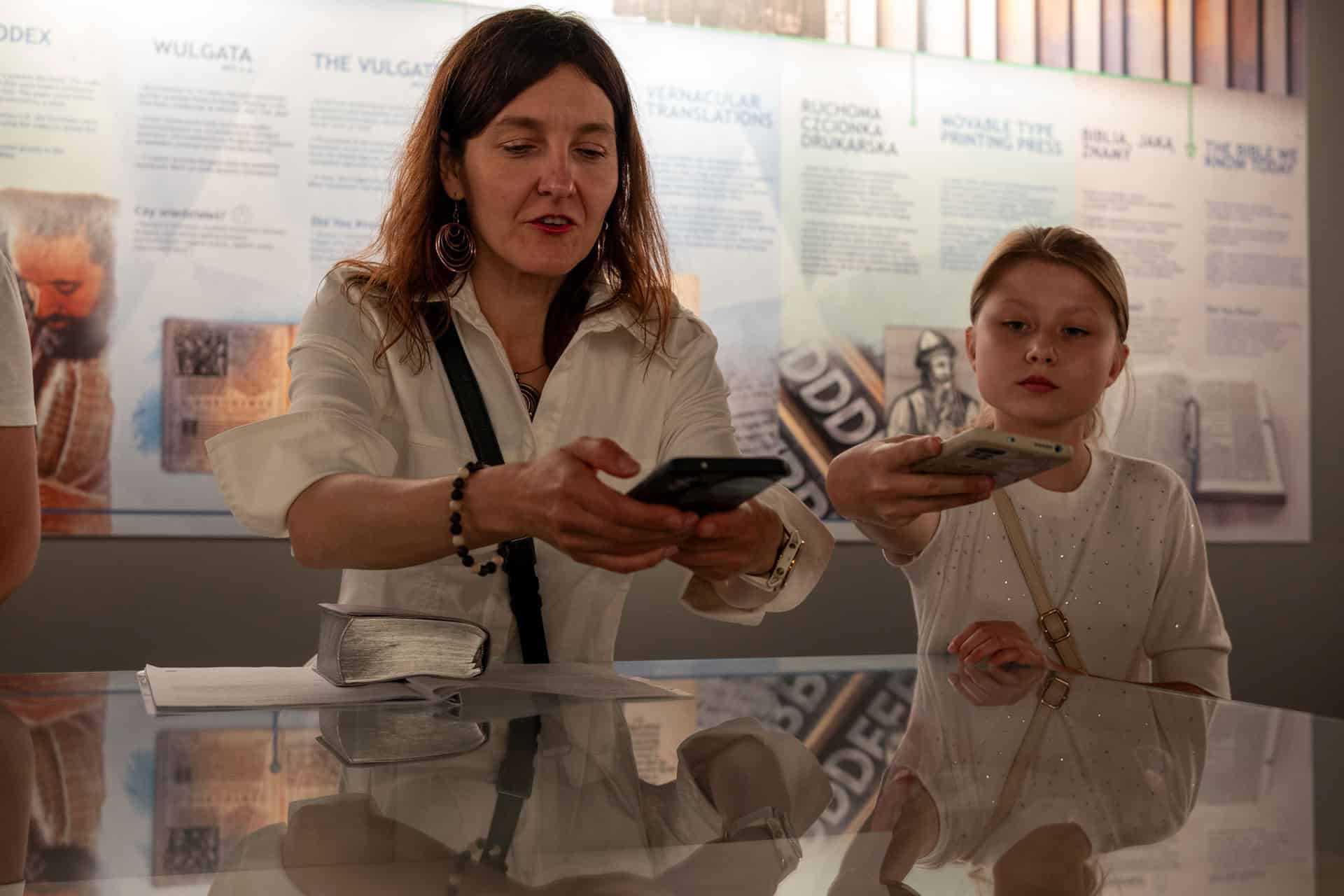
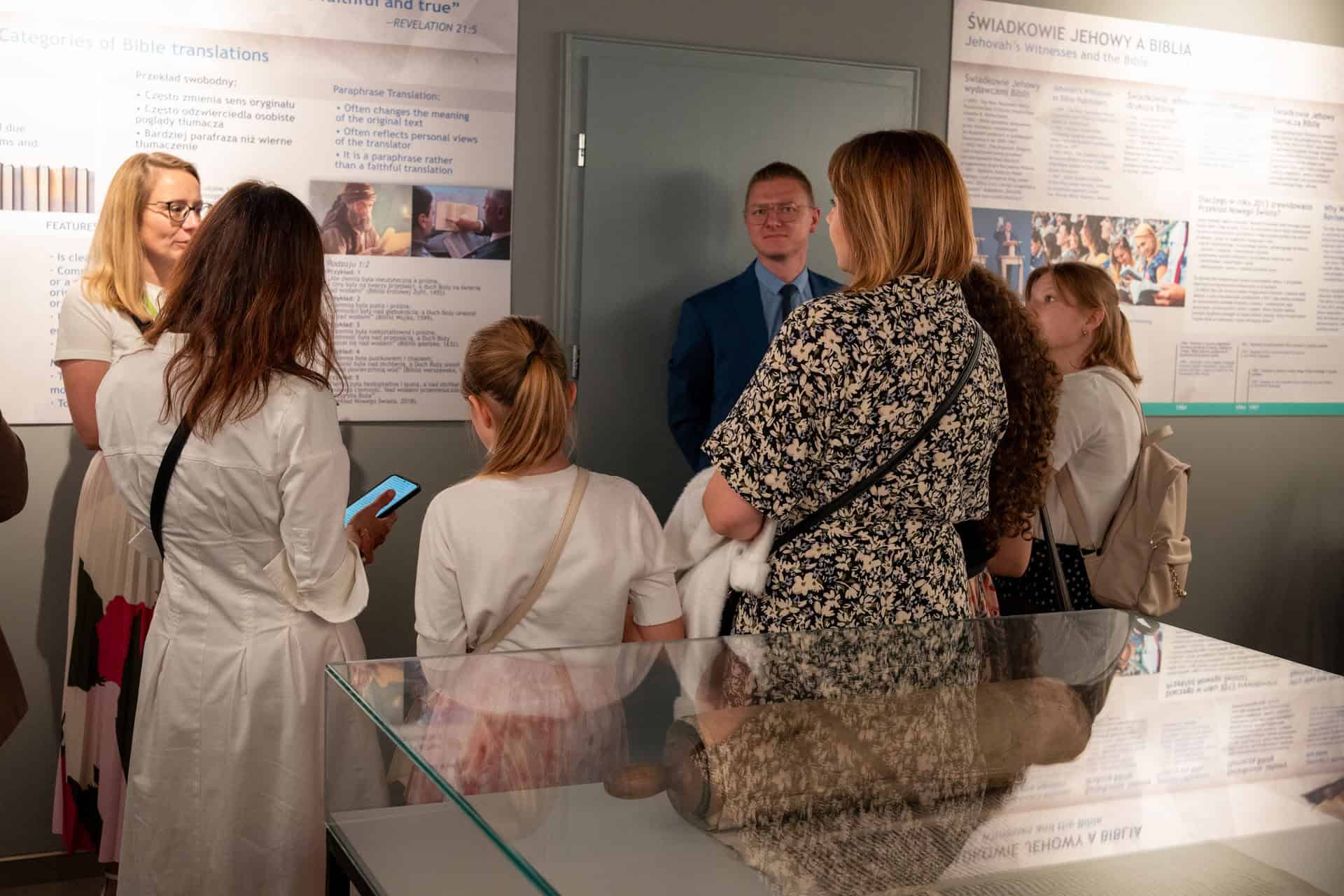
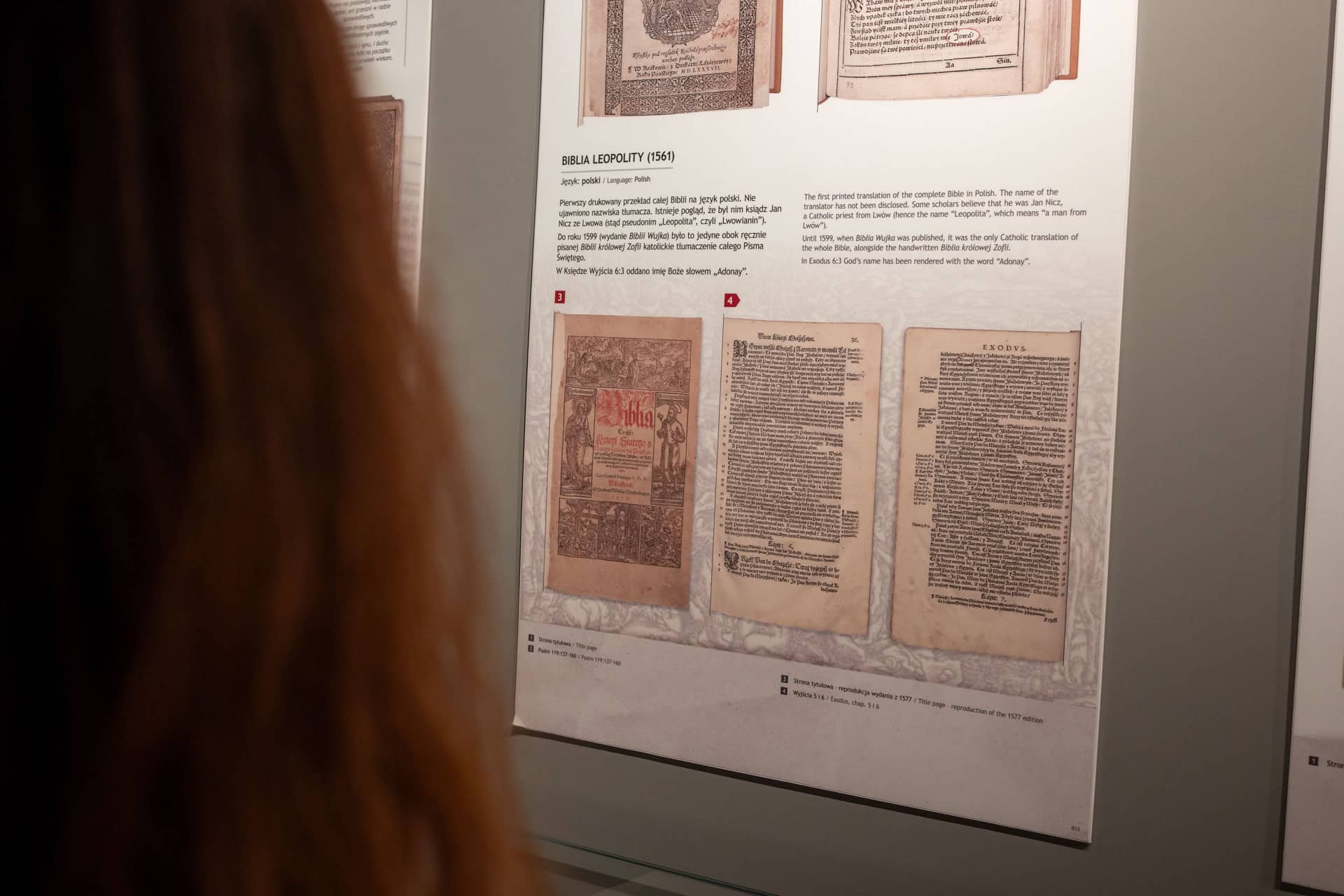
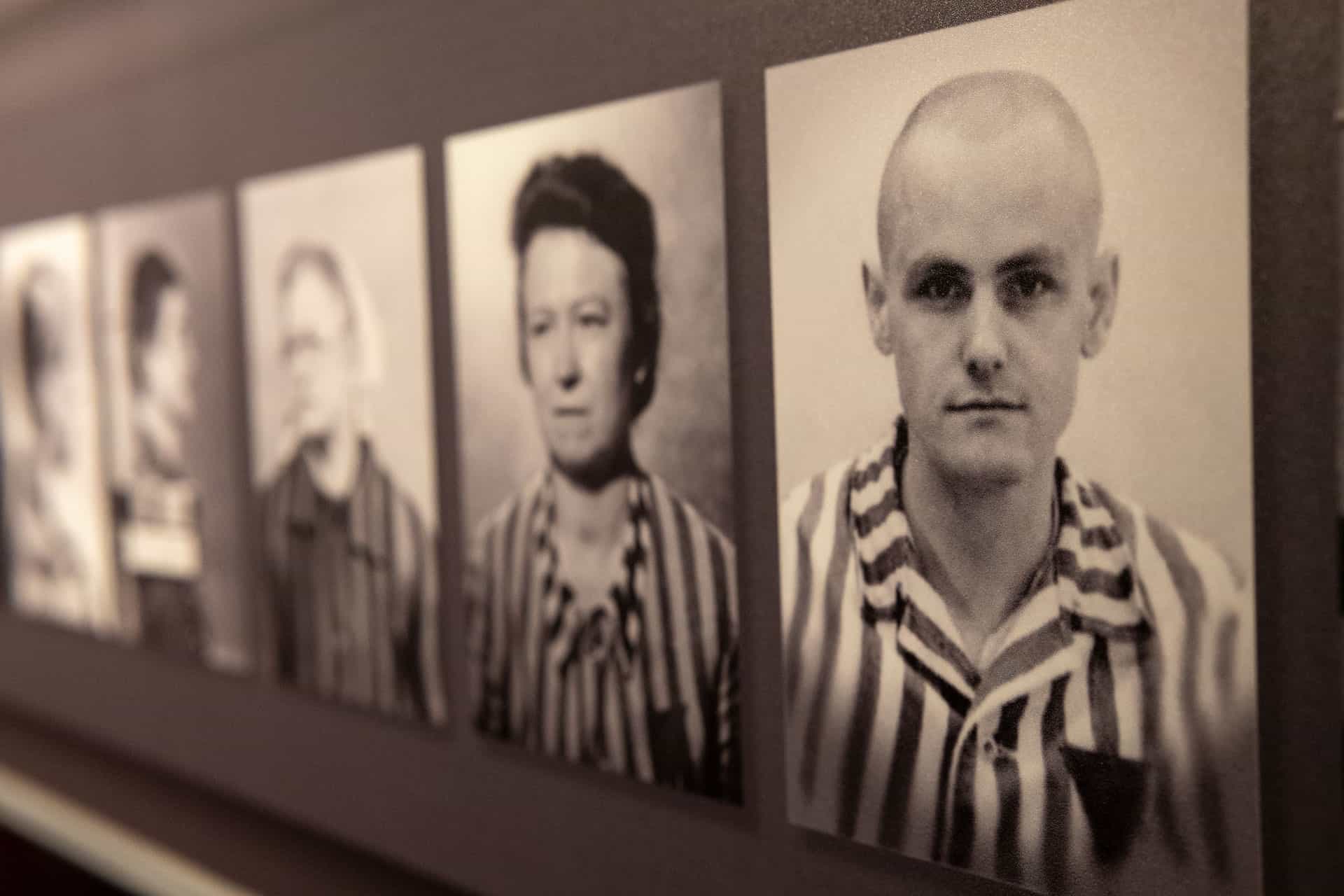
Later, we took part in a guided tour through the exhibition about the Bible and the history of Jehovah’s Witnesses in Poland. One photograph made a huge impression — a black-and-white picture from a convention in Kraków in the early 20th century, showing around 1,000 brothers and sisters gathered together. It was a powerful reminder of how deep the roots of faith and endurance go in this country.
We also visited the department for sign language translation. The scale and quality of their work are incredible. Their videos aren’t only used within the organization — they are also used at universities to teach students Polish Sign Language. It was inspiring to see so much care and effort being put into reaching people who cannot hear — a true example of working with heart and skill.
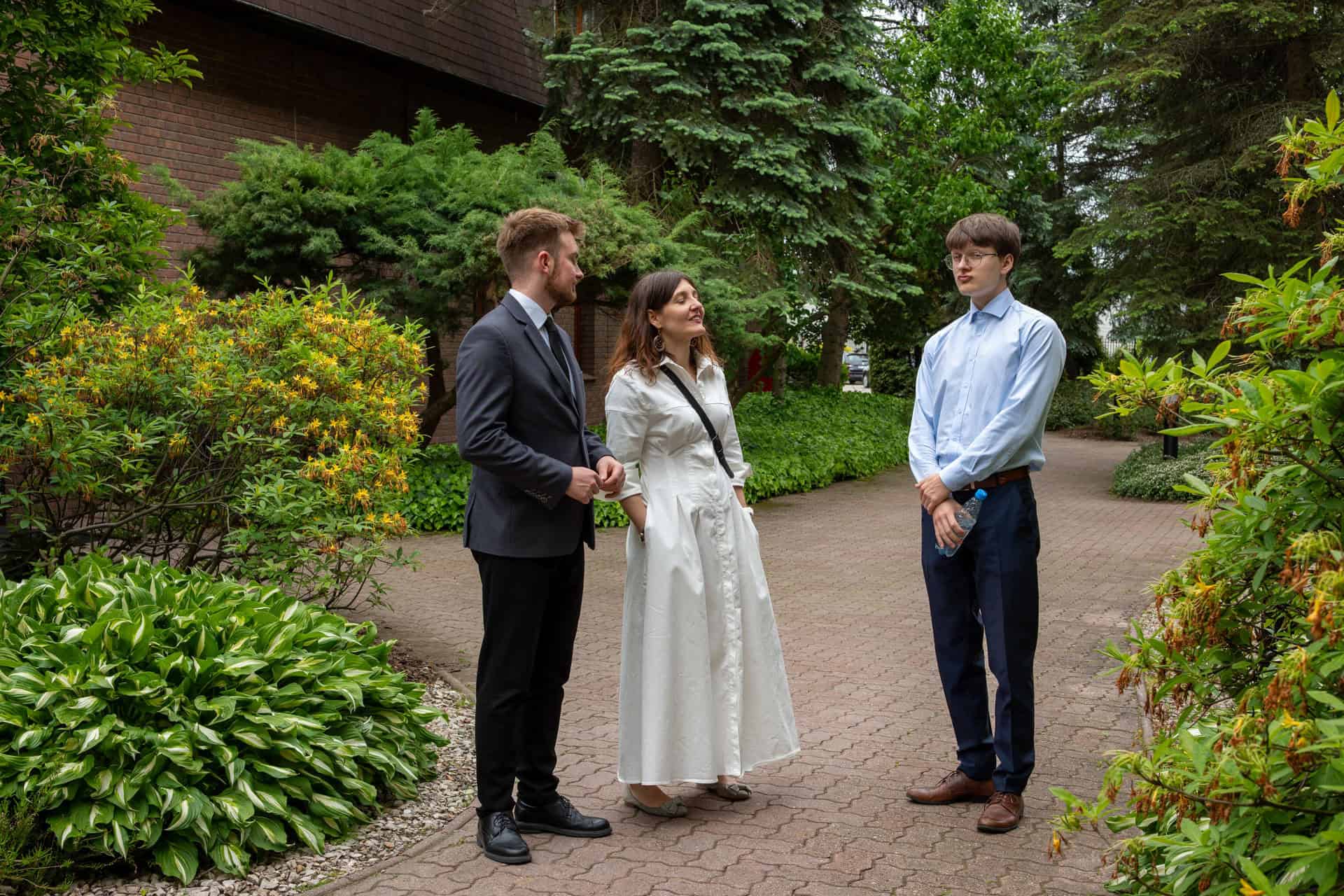
Finally, we took a walk around the Bethel garden. The building itself is beautiful — the interiors are bright and welcoming, and the garden is well-tended and peaceful. Everything about the place reflects thoughtfulness and care, not just for the work being done but for the people who live and serve there.
Thinking back, it reminded me of the fuller version of Einstein’s words. Speaking to a group of students in Berlin, he said:
“Each of us comes for a short visit, not knowing why, yet sometimes seeming to divine a purpose. But without deeper reflection, one knows from daily life that one exists for other people — first of all for those upon whose smiles and well-being our own happiness is wholly dependent, and then for the many, unknown to us, to whose destinies we are bound by the ties of sympathy.”
Walking through Bethel, seeing the work being done, and feeling the spirit of kindness and humility in the air, you could see that idea come to life. These are people who have chosen to put service ahead of personal comfort or ambition, and what they receive in return is something no salary or title can replace — a deep sense of peace, joy, and true purpose.
Bethel may look like an office from the outside, but it’s really something much more — a place where work is done with the heart, and where service to others fills every corner.
And it makes you wonder — what would our world look like if more workplaces felt like this?